

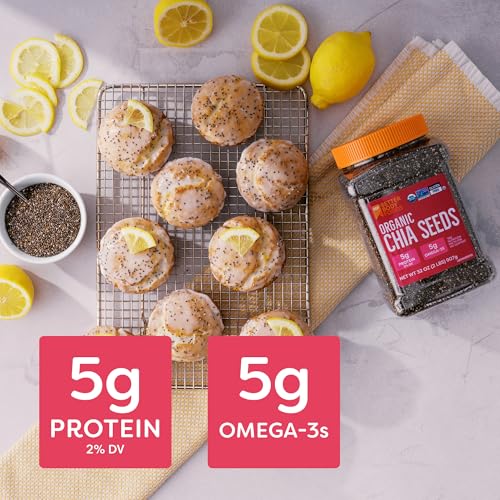


Nature’s Promise Chia Seeds – Organic Superfood for Every Kitchen
We source our Nature’s Promise chia seeds from USDA-certified organic farms, bringing you whole black chia seeds packed with plant-based nutrition. Each seed is naturally rich in omega-3 fatty acids, fiber, and complete protein – making them one of the most versatile ingredients in your pantry.
Our chia seeds absorb up to 12 times their weight in liquid, creating that signature gel texture home cooks love for overnight puddings, smoothie bowls, and egg-free baking. Whether you’re sprinkling them over yogurt in the morning or using them as a binder in veggie burgers, these tiny seeds deliver big benefits without any prep work. We keep our packaging and sourcing simple so you get pure, unadulterated chia every time.
What makes these chia seeds stand out
Nutrition profile and daily use
Two tablespoons of our chia seeds deliver 5 grams of omega-3 alpha-linolenic acid, making them one of the richest plant-based sources of this essential fatty acid. You’ll also get 10 grams of dietary fiber and 4 grams of complete protein in that same serving, along with calcium, magnesium, and phosphorus.
Because chia seeds are hydrophilic, they form a gel when mixed with water, milk, or juice – a property that helps you feel full longer and supports digestive health. We recommend starting with one tablespoon per day if you’re new to chia, then gradually increasing to two tablespoons as your system adapts to the added fiber. Mix them into your breakfast the same way you’d use the wholesome base found in our steel-cut oats, or stir them into salad dressings for a nutrient boost that thickens the texture naturally.
Culinary applications and recipe ideas
Chia pudding and breakfast bowls
Combine 3 tablespoons of chia seeds with 1 cup of almond milk, a teaspoon of maple syrup, and a pinch of cinnamon. Refrigerate overnight and wake up to a ready-made breakfast pudding that holds toppings like fresh berries, sliced banana, or a handful of granola. The seeds absorb the liquid completely, creating a tapioca-like consistency without any cooking.
Baking and egg replacement
For egg-free baking, mix 1 tablespoon of ground chia seeds with 3 tablespoons of water and let it sit for 5 minutes until it gels. This “chia egg” works beautifully in muffins, pancakes, and quick breads, binding ingredients while adding a subtle nutty flavor. You can grind our whole chia seeds in a coffee grinder or blender, or use them whole for added texture in cookies and energy bars.
Storage and shelf life
Our resealable bag keeps your chia seeds fresh in the pantry for up to two years when stored in a cool, dry place away from direct sunlight. Unlike flaxseeds, whole chia seeds contain natural antioxidants that prevent rancidity, so you don’t need to refrigerate them unless you’ve ground them into meal.
Once you open the bag, press out excess air before resealing to maintain freshness and prevent moisture absorption. If you live in a humid climate, consider transferring the seeds to an airtight glass jar. Ground chia meal should be refrigerated in a sealed container and used within 2-3 months for optimal flavor and nutrient retention.
More organic staples from our pantry


Rated 4.8 by verified buyers
Common questions about Nature’s Promise chia seeds
We recommend starting with one tablespoon (about 12 grams) per day if you’re new to chia seeds, then gradually increasing to two tablespoons as your digestive system adapts to the added fiber. Two tablespoons provide roughly 10 grams of fiber and 5 grams of omega-3s.
Most nutrition experts suggest not exceeding 2-3 tablespoons daily, as excessive fiber intake can cause bloating or digestive discomfort in some people. Always drink plenty of water when consuming chia seeds, since they absorb liquid and can contribute to hydration needs.
No, you can eat our Nature’s Promise chia seeds whole and still absorb their nutrients. Unlike flaxseeds, chia seeds have a softer outer shell that your digestive system can break down easily.
That said, grinding chia seeds does make the omega-3 fatty acids slightly more bioavailable and creates a flour-like meal that works well in baking. If you prefer ground chia, use a coffee grinder or high-speed blender and store the meal in the refrigerator to preserve freshness.
Chia seeds may support weight management goals because they’re high in fiber and protein, both of which promote feelings of fullness. When mixed with liquid, the seeds expand and form a gel that takes longer to digest, potentially helping you stay satisfied between meals.
However, chia seeds alone won’t cause weight loss – they’re most effective when incorporated into a balanced diet and active lifestyle. Two tablespoons contain about 140 calories, so portion control still matters. We suggest using them as a nutrient-dense addition to meals you already enjoy rather than as a magic bullet.
Yes, our chia seeds are naturally gluten-free and safe for people with celiac disease or gluten sensitivity. Chia is a seed from the Salvia hispanica plant and contains no wheat, barley, rye, or other gluten-containing grains.
We process and package our chia seeds in a facility that may also handle gluten-containing products, but we follow strict cleaning protocols between production runs. If you have severe gluten allergies, check the packaging for any cross-contamination warnings or contact our customer service team for detailed facility information.
Mix 3 tablespoons of our chia seeds with 1 cup of your preferred milk (dairy, almond, oat, or coconut all work well) in a jar or bowl. Add a teaspoon of sweetener like maple syrup or honey, plus any flavorings you enjoy – vanilla extract, cocoa powder, or cinnamon are popular choices.
Stir the mixture well, then refrigerate for at least 4 hours or overnight. The seeds will absorb the liquid and create a thick, pudding-like consistency. Give it another stir before serving and top with fresh fruit, nuts, or granola. The pudding keeps in the refrigerator for up to 5 days.
Both chia and flaxseeds are excellent sources of omega-3 fatty acids and fiber, but they have some key differences. Chia seeds contain slightly more fiber per serving (10g vs 8g) and have a higher calcium content, while flaxseeds offer more lignans, which are plant compounds with antioxidant properties.
One practical advantage of chia seeds is that you can eat them whole and still absorb their nutrients, whereas flaxseeds need to be ground for optimal nutrient absorption. Chia seeds also have a longer shelf life and don’t go rancid as quickly as flax. Both are valuable additions to a healthy diet, and some people choose to rotate between them.
Our chia seeds typically remain fresh and safe to consume for several months beyond the best-by date if stored properly in a cool, dry place in the original resealable bag. The best-by date indicates peak quality rather than an expiration or safety cutoff.
Before using older chia seeds, check for any off smells, discoloration, or signs of moisture damage. Fresh chia seeds should have a neutral, slightly nutty aroma and flow freely without clumping. If the seeds pass the visual and smell test, they’re generally fine to use. For longest shelf life, store opened bags in the pantry away from heat and humidity.