
Nature’s Promise Organic vs Regular Eggs: What’s the Difference?
Organic eggs sit on one shelf, conventional eggs on another — same shape, same color, but a different price tag and a USDA Organic seal. What changes behind that label?
We’re Nature’s Promise, and we raise hens for both conventional and organic eggs. The differences aren’t marketing spin; they’re specific USDA requirements around feed, medication, and outdoor access. This guide walks through what separates organic eggs vs regular options, what each certification demands, and which details actually matter when you’re standing in the aisle.
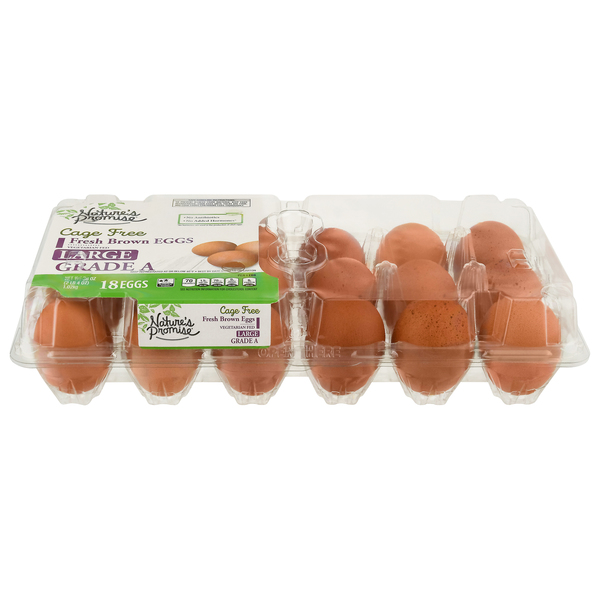
Feed Standards: What Goes Into the Hen Goes Into the Egg
The single biggest difference between organic and conventional eggs is what the hens eat. USDA Organic standards require 100% certified organic feed — no synthetic pesticides, no genetically modified crops, no antibiotics mixed into the ration. Conventional eggs have no such restriction; the feed may include GMO corn or soy, and growers can add low-dose antibiotics for flock health.
Organic certification also mandates that hens have year-round access to the outdoors, though the size and quality of that outdoor space vary widely between producers. Conventional hens may live entirely indoors under controlled climate and lighting. Neither system is inherently cruel or clean — both follow food-safety rules — but the organic label legally guarantees specific practices that conventional production does not.
If you’re comparing feed-related claims across our product line, the same organic standards apply to our Nature’s Promise Organic vs Conventional Eggs guide, which lists the exact feeds we use for each flock.
Shell Color, Yolk Color, and Nutrition: What Changes and What Doesn’t
Shell color — white, brown, speckled — comes from the breed of hen, not the organic status. A white Leghorn lays white eggs whether she’s organic or conventional. Yolk color depends on diet; hens eating more greens or marigold petals produce darker orange yolks, but that’s a feed choice, not an organic requirement.
Nutrition studies show negligible differences in protein, fat, and cholesterol between organic and conventional eggs. Both deliver about 6 grams of protein and 70 calories per large egg. Some research finds slightly higher omega-3 levels in organic eggs when hens forage outdoors, but the gap is small — a few milligrams — and disappears if conventional hens receive omega-3-enriched feed.
The USDA Organic seal certifies production practices, not nutrient density. If you’re buying organic eggs for environmental or animal-welfare reasons, the label delivers on those promises. If you’re buying them expecting a vitamin boost, standard eggs offer nearly identical nutrition at a lower price.
Price Premium: Where the Extra Dollar Goes
Why Organic Eggs Cost More
Organic eggs typically cost $1.50 to $3.00 more per dozen than conventional. That premium pays for certified organic feed — which costs growers two to three times more than conventional — plus the land, fencing, and labor required to provide outdoor access. Organic certification itself carries annual inspection fees and stricter record-keeping.
Conventional eggs benefit from scale and efficiency. Hens live in climate-controlled barns with optimized feed conversion, lower mortality, and no outdoor predation risk. Those cost savings pass through to the retail price. Neither production system is subsidized differently at the federal level; the price gap reflects real input costs, not marketing.
If budget matters more than production method, conventional eggs deliver the same culinary performance and nearly identical nutrition. If you’re willing to pay for outdoor access and pesticide-free feed, the organic premium funds exactly those practices.
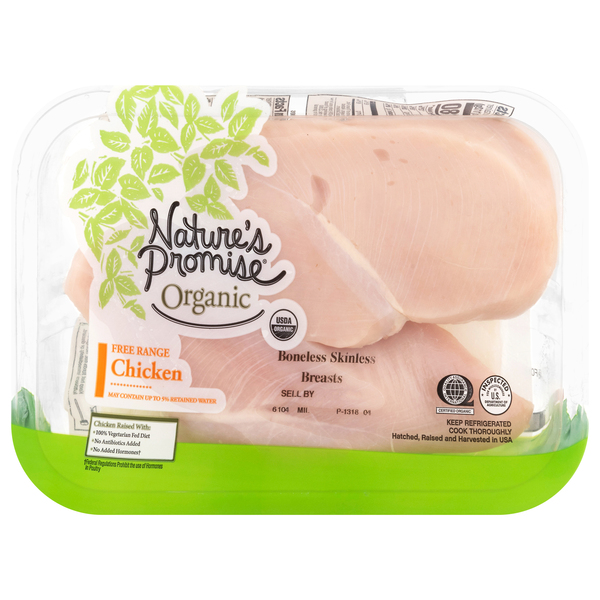
Label Claims Beyond Organic: Cage-Free, Free-Range, and Pasture-Raised
Organic certification requires outdoor access, but it doesn’t specify how much space or pasture quality. A hen with a small concrete patio technically meets the rule. If outdoor grazing matters to you, look for “pasture-raised” labels, which guarantee hens spend most daylight hours on grass — though pasture-raised eggs aren’t always organic unless the carton says both.
Cage-free and free-range are separate claims. Cage-free means hens live in open barns, not battery cages, but they may never go outdoors. Free-range guarantees outdoor access, but the space and duration aren’t tightly defined. You can find cage-free conventional eggs and cage-free organic eggs; the terms stack.
We print every applicable certification on our cartons because the labels mean different things. Organic addresses feed and chemical inputs. Cage-free and pasture-raised describe living conditions. If you want both, check for both seals — one doesn’t automatically include the other.
Making the Call at the Grocery Store
Organic eggs cost more because they cost more to produce — certified feed, outdoor space, and stricter record-keeping all carry real expenses. Conventional eggs deliver the same protein, the same culinary performance, and nearly identical nutrition at a lower price. The label difference is production method, not food safety or taste.
We sell both because shoppers value different things. Some prioritize budget and nutrition; others prioritize how hens are raised. Both cartons meet federal safety standards, and both work identically in your recipes. The right choice is whichever aligns with what matters to you when you crack that shell.
Common Questions About Organic and Conventional Eggs
Most blind taste tests show no consistent preference. Yolk color and flavor come from diet — what the hen eats — not the organic certification itself. A conventional hen fed the same greens as an organic hen will produce a similar-tasting egg.
If you notice a flavor difference, it’s likely due to freshness or the farm’s specific feed recipe, not the USDA Organic seal.
No credible evidence shows organic eggs carry lower Salmonella risk. Both organic and conventional eggs must follow the same FDA safety rules — refrigeration, washing, and grading. Salmonella lives in the hen’s ovaries or on the shell, and proper handling matters more than production method.
Cook eggs to 160°F internal temperature and refrigerate promptly regardless of which type you buy.
Yes, one-to-one. Organic and conventional eggs have identical structure — same protein, same fat, same water content. A large organic egg weighs the same as a large conventional egg, so recipes work exactly the same way.
The only reason to adjust a recipe is if the eggs themselves are a different size, not a different certification.
It verifies that hens ate 100% certified organic feed with no synthetic pesticides or GMOs, received no antibiotics, and had year-round outdoor access. An accredited inspector visits the farm annually to audit feed receipts, flock health records, and outdoor areas.
The seal does not verify humane treatment beyond outdoor access, nor does it guarantee nutrient levels or flavor. It’s a production-method certification, not a quality grade.
No. Freshness depends on how quickly the egg reaches your fridge after laying, not the hen’s diet. Both types stay fresh for three to five weeks refrigerated if the carton is unopened.
Check the pack date or best-by date on the carton — that number matters more than the organic label when judging shelf life.
Choose organic if you want certified pesticide-free feed and guaranteed outdoor access for the hens, and you’re willing to pay the premium. Choose conventional if budget is tight or you prioritize nutrient content over production method — the eggs themselves deliver nearly identical nutrition.
Neither choice is wrong. The decision comes down to which farm practices matter most to you and what fits your grocery budget.