
Nature’s Promise Organic Coffee vs Regular Coffee: What Actually Changes in Your Cup
Choosing between organic and conventional coffee isn’t just about a label on the bag. It’s about understanding what happens long before the beans reach your grinder—how they’re grown, what they’re exposed to, and whether those differences matter to your morning routine.
We’ve spent years sourcing beans for our own line, and the questions we hear most often boil down to one thing: does organic actually taste different, or is it just a feel-good marketing term? This organic coffee comparison walks through the distinctions that matter—and the ones that don’t—so you can decide what belongs in your cup.
How Organic Certification Changes What Reaches the Bean
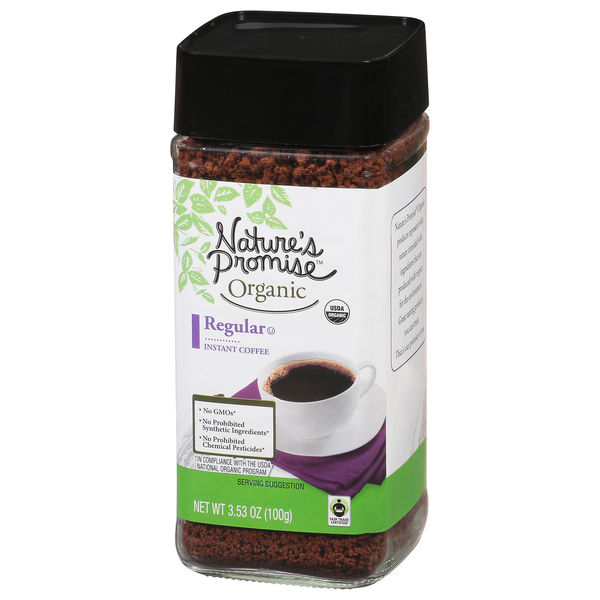
Organic coffee must be grown without synthetic pesticides, herbicides, or fertilizers for at least three years before harvest. That’s not a preference—it’s a USDA requirement enforced through annual inspections and soil testing.
Conventional coffee farms, by contrast, often rely on chemical inputs to manage pests and boost yields. Residues from these treatments can persist on the bean through roasting, though most are reduced significantly during processing. The distinction matters more if you’re brewing unfiltered methods like French press, where fine particles remain in your cup.
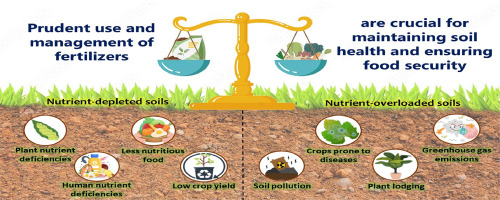
Organic farms typically use compost, crop rotation, and shade cover to maintain soil health. These practices take longer to show results, which is one reason organic beans cost more—but they also tend to preserve the micronutrients in the soil that influence flavor complexity over multiple growing seasons.
Flavor Differences You Can Actually Taste
Organic certification doesn’t guarantee a better-tasting cup, but it does correlate with certain growing conditions that affect flavor. Shade-grown organic beans—common in certified farms—mature more slowly, which allows sugars to develop more fully and creates a smoother, less acidic profile.
Conventional beans grown in full sun ripen faster and often produce a brighter, more tannic cup. Neither is objectively better; it depends on whether you prefer a mellow, chocolatey finish or a sharp, fruity acidity. We’ve found that our own organic Fair Trade beans land somewhere in the middle—balanced enough for daily drinking but complex enough to notice when brewed carefully.
Roast level plays a bigger role than farming method in most cases. A dark roast will mask subtle terroir differences whether the bean started organic or not, while a light roast will amplify them. If you’re comparing organic to regular for the first time, try both at the same roast level to isolate what’s actually changing.
What the Price Gap Actually Pays For
Organic coffee costs 20–40% more on average, and that premium breaks down into a few specific expenses. Certification fees run several thousand dollars per farm annually, and organic yields are typically 10–25% lower due to the absence of synthetic fertilizers.
Labor costs also rise because organic pest management—hand-picking damaged cherries, maintaining mulch layers—requires more human hours than spraying a field. Fair Trade certification, which often overlaps with organic, adds another layer of cost by guaranteeing minimum prices to farmers regardless of market fluctuations.
For context, the same certification logic applies across other categories—organic eggs cost more for similar reasons, with feed and space requirements driving the gap. You’re not paying for hype; you’re covering the actual economic difference in how the product reaches the shelf.
Environmental Impact and Long-Term Soil Health
Why Organic Farms Score Higher on Biodiversity
Organic coffee farms support 30–50% more bird species than conventional monocultures, according to multiple ecological surveys. That’s a direct result of shade-tree requirements and chemical-free pest control, which preserve insect populations that birds rely on.
Soil carbon sequestration is measurably higher on organic plots, too. Without synthetic nitrogen, organic farmers build soil fertility through composting and cover crops—methods that lock carbon into the ground rather than releasing it through chemical production. Over a 20-year cycle, organic coffee farms maintain topsoil depth better than conventional ones, which matters in erosion-prone highland regions where most coffee grows.
If environmental footprint factors into your buying decision, organic certification offers a verifiable difference. It’s not a perfect system—shipping beans halfway around the world still burns fuel—but the farming phase itself leaves a lighter mark.
When Regular Coffee Makes More Sense
Organic isn’t always the right choice. If you drink several cups a day and budget matters, conventional coffee from a reputable roaster is still clean, safe, and often excellent.
Single-origin conventional beans from farms with transparent sourcing practices can rival organic in quality, especially if the farm uses integrated pest management or participates in Rainforest Alliance programs. These aren’t certified organic, but they minimize chemical use through targeted applications rather than blanket spraying.
For cold brew or espresso blends where you’re extracting oils and diluting with milk, the subtle flavor differences between organic and regular beans get buried anyway. We produce a ready-to-drink organic cold brew because the method benefits from smooth, low-acid beans—but if you’re making your own concentrate at home with a bold roast, the farming method won’t make or break the result.
Choosing What Actually Matters to Your Routine
The choice between organic and regular coffee comes down to what you’re optimizing for—environmental impact, flavor nuance, or budget. Organic certification delivers verifiable differences in farming practices and often correlates with smoother, less acidic cups, but it’s not a universal upgrade over every conventional bean.
If you’re already comparing labels for other staples—organic versus regular eggs, for instance—the same cost-benefit logic applies here. Pay attention to roast date, sourcing transparency, and your own taste preference before assuming the organic label alone determines quality.
Whatever you choose, fresh beans and proper storage will make a bigger difference than the farming method. We roast every batch to order because even the best organic coffee loses its edge after a month on the shelf—and that’s a variable you control no matter which bag you bring home.
Common Questions About Organic vs Conventional Coffee
No. Caffeine content is determined by bean variety, roast level, and brewing method—not farming practices. Robusta beans contain roughly twice the caffeine of Arabica whether grown organically or conventionally.
A light roast preserves more caffeine than a dark roast because prolonged heat breaks down caffeine molecules. If you’re comparing two bags of the same variety and roast, organic and regular will deliver nearly identical caffeine per cup.
Organic coffee eliminates synthetic pesticide residues, which can matter for people with chemical sensitivities. However, conventional coffee tested by the USDA consistently shows residue levels well below safety thresholds, even for daily drinkers.
If you’re specifically concerned about glyphosate or neonicotinoids, organic certification guarantees their absence. For general safety, both options are considered safe when sourced from regulated farms.
Sometimes, but not reliably. Trained tasters can often distinguish organic shade-grown beans by their smoother acidity and reduced astringency, but those traits also appear in high-altitude conventional coffees.
In blind cuppings, processing method—washed versus natural—tends to create bigger flavor differences than organic versus regular. If you’re testing at home, match the roast date and grind size closely, or the comparison won’t isolate the farming variable.
USDA organic certification applies only to the farming and primary processing stages—growing, harvesting, and initial milling. Roasting facilities don’t need separate organic certification as long as they avoid adding non-organic ingredients.
If a roaster blends organic and conventional beans, or uses flavored syrups, the final product loses organic status. Plain roasted organic coffee maintains certification through to your bag.
Organic certification doesn’t regulate roasting skill. A poorly roasted organic bean will taste worse than a well-roasted conventional one every time.
Harshness usually comes from over-extraction during brewing, stale beans, or roasting past second crack into charred territory. Check the roast date first—organic coffee goes stale at the same rate as regular, and anything over four weeks old will lose the clarity that makes organic beans worth paying extra for.
No, though the two certifications often overlap. Organic governs farming inputs and environmental standards; Fair Trade focuses on pricing, labor conditions, and community investment.
You can find organic coffee that isn’t Fair Trade, and Fair Trade coffee that isn’t organic. When both appear on the label, it means the farm met dual requirements—no synthetic chemicals and guaranteed minimum pay for workers.