
Nature's Promise Organic vs Conventional Eggs: Real Differences That Matter
Walk down the egg aisle at Stop & Shop and you’ll see our Nature’s Promise organic eggs sitting next to conventional cartons at nearly double the price. That price gap raises a fair question: are organic eggs actually different, or is the label mostly marketing?
We’re Nature’s Promise, and we source both conventional and organic eggs. The differences between organic vs regular eggs come down to three things—hen living conditions, what the birds eat, and USDA certification rules. Some of those differences show up in the egg itself; others matter more for how you feel about where your food comes from. Here’s what actually changes when you pick organic.
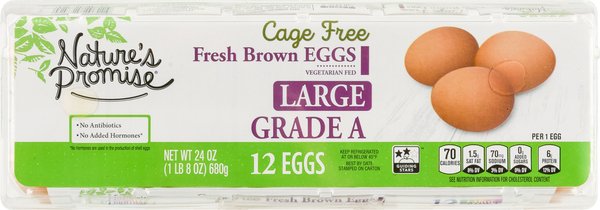
What USDA Organic Certification Requires for Laying Hens
Organic eggs must come from hens raised under specific USDA standards that conventional farms don’t have to follow. The birds must have year-round access to the outdoors—though the size and quality of that outdoor space varies widely by farm. They eat certified organic feed with no synthetic pesticides, and farmers can’t use antibiotics or synthetic hormones at any point in the birds’ lives.
Conventional hens live in cage-free, enriched colony, or traditional cage systems depending on the farm. Their feed includes conventional corn and soy, which may carry pesticide residue from the crops. Antibiotics are allowed when birds get sick, though large producers have moved away from routine use. Neither system dictates a single welfare standard—you’ll find well-run and poorly run farms in both categories.
Nutritional Content: Where Organic and Regular Eggs Overlap
Protein, Vitamins, and Macros
Both organic and conventional eggs deliver about six grams of complete protein, all nine essential amino acids, and nearly identical amounts of vitamins A, D, E, and B12. The USDA nutrient database shows no meaningful difference in these core metrics between the two types.
Omega-3 and Feed Influence
Some studies find slightly higher omega-3 levels in organic eggs, likely because pasture access lets hens eat insects and greens alongside their grain ration. That difference is real but small—you’d need to eat several eggs daily to match the omega-3 dose in a single serving of salmon. If your main goal is boosting omega-3 intake, fatty fish and flaxseed outperform any egg by a wide margin.
Pesticide Residue and Antibiotic Exposure
Organic certification prohibits synthetic pesticides in hen feed, so organic eggs carry virtually no detectable pesticide residue. Conventional feed comes from crops treated with herbicides and insecticides, and trace amounts can end up in the eggs—though USDA testing consistently shows residue levels well below safety thresholds.
Antibiotics are banned in organic flocks, while conventional farms may use them to treat illness. The FDA requires withdrawal periods before treated hens’ eggs can be sold, so antibiotic residue in any grocery-store egg is rare. The organic advantage here is about systemic use and resistant-bacteria risk in agriculture, not what ends up on your plate. Readers comparing dairy products often weigh similar concerns—our Nature’s Promise vs Good & Gather Organic Milk breakdown looks at how organic certification affects another animal product.

Price Difference and What Drives It
Organic eggs at Stop & Shop typically cost $5 to $7 per dozen; conventional runs $2.50 to $4. That gap reflects higher feed costs—organic grain costs about twice as much as conventional—and stricter space and access requirements that limit how many birds a farm can house per acre.
Labor and certification fees add smaller premiums. Whether the difference is worth it depends on how much you prioritize outdoor access and pesticide-free feed versus your grocery budget. For families buying two or three dozen eggs a week, the annual cost difference can reach $150 to $200.
Taste, Texture, and Yolk Color
Yolk color comes from carotenoids in the hen’s diet—the more greens and corn, the darker the yolk. Organic hens with pasture access often produce deeper orange yolks, but that’s about pigment, not nutrition or flavor. We’ve run blind taste tests in our test kitchen and found no consistent preference for organic over conventional when eggs are prepared the same way.
Texture and freshness matter more than certification. A week-old conventional egg from a local farm will cook up better than a three-week-old organic egg that traveled across the country. Check the Julian date on the carton and buy the freshest option available, regardless of label.
Choosing Based on What Matters to You
The difference between our organic and conventional eggs comes down to farming practices—outdoor access, feed sourcing, and antibiotic policy—not dramatic nutritional gaps. If those production standards align with your values and fit your budget, organic is a consistent way to support that system.
If your priority is affordability and you’re confident in food-safety testing, conventional eggs deliver the same protein, vitamins, and culinary performance at half the cost. Either way, freshness and proper handling matter more for taste and safety than the label. Check the date, store eggs in the coldest part of your fridge, and cook them thoroughly if you’re serving vulnerable populations.
Common Questions About Organic and Conventional Eggs
No. Both organic and conventional eggs contain approximately six grams of protein per large egg. USDA nutrient data shows no significant difference in protein content between the two types.
The protein quality is also identical—both provide all nine essential amino acids in the same proportions.
No. Salmonella risk exists in both organic and conventional eggs, and organic certification does not reduce that risk. The bacteria lives in the hen’s ovaries and can contaminate eggs before the shell forms.
If you’re making raw-egg recipes like mayonnaise or hollandaise, use pasteurized eggs regardless of whether they’re organic. Pasteurization kills salmonella without cooking the egg.
Price varies based on the farm’s outdoor-access setup, feed sourcing, and third-party certifications beyond USDA organic. Some producers pursue Certified Humane or Animal Welfare Approved labels, which add stricter space and enrichment requirements.
Packaging and distribution also play a role. Eggs shipped from distant farms cost more than regional ones, even if both meet the same organic standard.
No. Shell color depends on the hen’s breed, not how she was raised. White Leghorns lay white eggs; Rhode Island Reds and other heritage breeds lay brown ones.
Organic and conventional eggs come in both colors. The label and USDA organic seal are the only reliable way to identify certified organic eggs.
No. Hormone use in poultry has been illegal in the United States since the 1950s, so neither organic nor conventional eggs contain added hormones. Any carton labeled “hormone-free” is making a claim that applies to every egg sold in the country.
The organic distinction lies in antibiotic use and feed, not hormones.
No. Cage-free means hens aren’t kept in battery cages, but it doesn’t require outdoor access, organic feed, or antibiotic restrictions. A cage-free conventional egg comes from hens raised indoors on non-organic feed.
Organic certification includes cage-free housing as a baseline, then adds outdoor access and stricter feed rules on top of that.